Fall and Winter Property Prep for North Texas Landlords
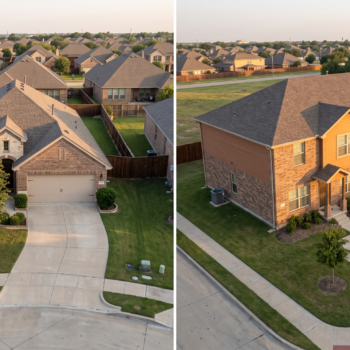
North Texas weather never eases into winter. One week you are running air conditioning. The next, a hard freeze is dropping temperatures into the low twenties with almost no warning. Fort Worth landlords who manage properties through a few of these cycles know what that transition can cost when a property is not ready.
Burst pipes, damaged roofs, and failed heating systems are not just inconvenient. They are expensive emergencies that could have been prevented for a fraction of the cost. Let’s take control of fall and winter property prep this autumn while the window is open! Here’s our North Texas guide for having your property prepared for the inevitable freeze.
Structural Defense: Exterior and Roof Inspections Before the First Freeze
Gutters and Drainage
Gutters clogged with summer debris become a real problem when North Texas gets its first heavy winter rain or sleet. Water that can’t drain backs up under shingles, pools along the roofline, and works its way into the structure.
Before the temperature drops, clear your gutters and downspouts.
Check that downspout extensions are directing water away from the foundation. Standing water near a slab foundation in winter creates its own set of long-term structural concerns.
Roof Envelope
Fort Worth’s spring storm seasons are intense. Hail, high winds, and heavy rain leave damage that is not always obvious from the ground.
Autumn is the time to get eyes on the roof before winter rain and sleet push water through any compromised shingles. Pay particular attention to flashing around chimneys, plumbing vents, and HVAC penetrations. Flashing separates and lifts over time, and a small gap that is harmless in summer becomes a leak point during winter rains.
If you are not comfortable on a roof, hire a licensed inspector. The cost of a professional inspection is a fraction of what water intrusion repair costs once it reaches the interior.
Tree Trimming
Overhanging branches that survive the summer become a liability in an ice storm. North Texas doesn’t get sustained ice accumulation often, but when it does, branches loaded with ice snap without warning. A branch through a roof or onto a tenant’s vehicle is a costly and entirely avoidable event. Trim back any limbs hanging over the structure or within reach of the roofline before winter arrives.
Exterior Walkthrough Checklist
Use this list for your fall exterior inspection:
- Gutters and downspouts cleared and flowing freely
- Downspout extensions directing water away from the foundation
- Roof shingles inspected for lift, cracks, or missing sections
- Flashing around all roof penetrations sealed and intact
- Overhanging tree branches trimmed back from the structure and roofline
- Exterior caulking around windows and door frames inspected and resealed where needed
- Weatherstripping on all exterior doors checked and replaced if compressed or cracked
Mechanical Reliability: Scheduling Seasonal HVAC Service in Tarrant County
An HVAC system that fails during a hard freeze isn’t just an inconvenience for your tenant. It is a legal liability. Texas Property Code Section 92.056 requires landlords to repair conditions that materially affect the physical health or safety of a tenant.
A non-functioning heating system in freezing temperatures qualifies. Waiting until there is a problem to call a technician is the wrong approach, and it is also the most expensive one. HVAC service companies in Tarrant County fill up fast once cold weather hits. Landlords who schedule their seasonal HVAC service in Tarrant County in September or October get first priority. Those who call in December compete with everyone else.
A proper fall heating system service includes:
- Furnace coils and heating elements tested for output
- Heat exchanger inspected for cracks, which can allow carbon monoxide to circulate through the home
- Thermostat calibration verified against actual temperature
- Blower motor and belts inspected for wear
- All air registers cleaned and unobstructed
- Carbon monoxide and smoke detectors tested and batteries replaced
Air Filter Communication
Air filters are the simplest maintenance item on the list and among the most consistently neglected. A clogged filter forces the HVAC system to work harder, drives up energy costs, and shortens equipment life.
Send your tenants a written reminder each fall. Include the correct filter size for their unit and a recommended replacement schedule. Some landlords provide the first filter of the season directly. That small gesture keeps the system running efficiently and signals professional management to the tenant.
The Winter Freeze Protocol: Preventing Catastrophic Pipe Bursts
Winterizing Texas rentals is not the same as winterizing a home in a cold-weather state. The challenge in North Texas is not sustained cold. It is fast, hard drops that hit infrastructure that was not designed for extreme temperatures.
Many North Texas homes have water lines running through unconditioned attics and exterior walls, making them highly susceptible to bursting when temperatures reach the low twenties.
When pipes burst during hard freezes, repair costs can run from $5,000 to $20,000 or more, and repairs often lead to extended insurance disputes that drag on for months.
Prevention is straightforward if you start before the freeze.
Exterior Faucet and Pipe Protection
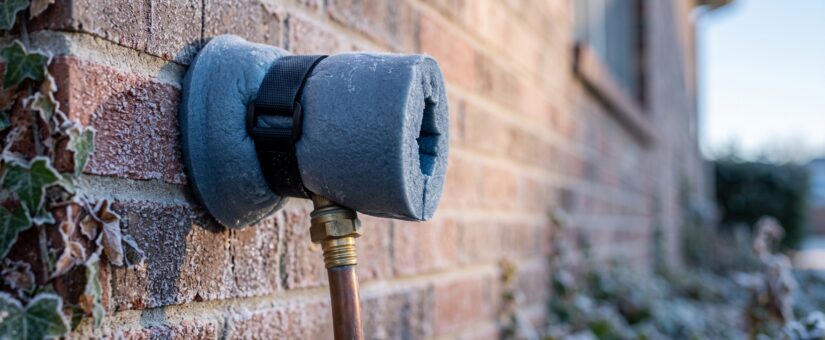
- Install insulated covers on all exterior hose bibs before the first freeze
- Disconnect and drain garden hoses completely
- Wrap any exposed pipes in crawlspaces, garages, or unheated storage areas with foam pipe sleeves or insulating tape.
- Locate and mark the main water shut-off valve for each property
Tenant Communication and Lease Requirements
Show every tenant where the main water shut-off valve is located before winter arrives. If a pipe bursts, a tenant who can shut off the water immediately limits the damage significantly. Put this walkthrough in writing.
Your lease should also include a minimum thermostat requirement. A thermostat setting between 65 and 70 degrees Fahrenheit is appropriate for occupied North Texas homes during winter to prevent frozen pipes. When temperatures are forecast to drop below freezing, require tenants to let faucets drip slightly overnight.
These are reasonable requirements, and they belong in the lease explicitly. A tenant who turns off the heat to save money and causes a pipe burst may limit your legal recourse without a written lease provision in place.
Interior Winterization Checklist
- Main water shut-off valve location documented and shown to tenant
- Exterior hose bibs covered and hoses disconnected
- Exposed pipes in unheated spaces wrapped with foam insulation
- Attic access points sealed and insulated to reduce heat loss around plumbing runs
- Water heater inspected for age, sediment buildup, and pressure relief valve function
- Lease minimum thermostat requirement communicated in writing to tenant
- Tenant instructed to drip faucets when temperatures drop below 32 degrees
Streamlining Your Maintenance Operations with Classic Property Management
Running a seasonal maintenance checklist across one property is manageable. Running it across three, four, or five properties in different neighborhoods across Tarrant County is a different challenge. With so much at risk, it’s inevitable that something gets missed. Often it is the item that ends up costing the most.
This is where property management companies like Classic Property Management earn their value in real, measurable ways. A professional management team carries established vendor relationships built over years of consistent work. When a hard freeze is forecast and every HVAC technician in Tarrant County is getting calls at once, a management team with volume relationships gets their properties scheduled first.
Fort Worth residential property management done well means your seasonal checklist gets completed on time, every year, without you managing the calendar yourself. Classic Property Management handles rental property maintenance in Fort Worth for landlords who want their assets protected through every seasonal cycle without becoming a second job.
If you are heading into fall with properties that have not been inspected this season, now is the right time to act. Contact us to find out how we keep your Fort Worth rentals protected through winter and every season after.