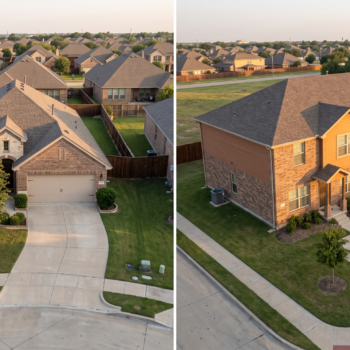
How to Lower Your Fort Worth Rental Vacancy Rates Between Leases

Every day a rental property sits empty costs you money. The mortgage does not pause. Utilities stay on. Insurance keeps billing. And while those costs accumulate, your rental income is zero. For landlords in the Fort Worth area, vacancy is the single biggest threat to annual cash flow, and it is one of the most preventable. The key is treating turnover not as a reactive scramble but as a managed process with a clear timeline and a defined system. Landlords who reduce rental vacancy in Fort Worth do not do it by accident. They do it by starting before the current tenant ever leaves.
Proactive Marketing: Capturing Future Tenants Before the Move-Out Date
The biggest mistake independent landlords make is waiting until the unit is empty to start marketing. By that point, you have already lost days or weeks of potential income. The fix starts in the lease itself.
Requiring a 60-day notice to vacate gives you a workable window. That is enough time to photograph the property, build and launch digital listings, and begin screening applicants while your current tenant is still in place. In a market as active as Fort Worth, qualified renters are making decisions quickly. Being listed 45 days before availability puts you in front of that pool instead of chasing it.
High-quality photography matters more than most landlords expect. Listings with professional photos lease faster and attract applicants who are more serious about committing. A dark, rushed set of phone photos signals a poorly managed property before anyone ever schedules a tour. That impression costs you applicants you never knew you lost.
Pre-move-out showings are another underused tool. With proper notice and tenant cooperation, you can bring qualified prospects through the property before it turns. Some landlords hesitate to do this, but when it is handled professionally, it is a standard part of managing leasing speed in Fort Worth residential property management.
Streamlining the Turn Process: Vendor Coordination and Upgrades
The physical turnover window is where landlords bleed time. A cleaning crew that cannot come until day four, a painter who needs a week, a carpet installer with a two-week backlog. Each delay adds vacancy days, and vacancy days add up to real money at the end of the year.
The solution is scheduling before the keys are returned. A structured turn timeline looks something like this:
- Day 1: Move-out inspection completed, punch list finalized
- Day 1–2: Cleaning crew completes full unit cleaning
- Day 2–3: Touch-up paint or full repaint completed
- Day 3–4: Flooring repairs or replacement finished
- Day 4–5: Final inspection, photography updated if needed, unit ready to show or deliver to new tenant
Hitting that window consistently requires vendor relationships built before you need them. A management operation that runs dozens of turnovers per year has those relationships. A self-managed landlord running one or two per year often does not.
Strategic upgrades can also shorten future vacancy cycles while commanding higher rents. Luxury vinyl plank flooring is one of the strongest investments available for older Fort Worth rental stock. It is durable, easy to clean, attractive to renters, and faster to install than tile or hardwood. Neutral paint in modern tones, updated cabinet hardware, and new light fixtures cost relatively little and reset a unit’s appeal for the next tenant. These are the improvements that reduce rental vacancy in Fort Worth over the long run by keeping properties competitive without long renovation timelines.
Modern Leasing Technology: Accelerating the Application Funnel
Renter behavior has changed. A prospect who fills out an inquiry form at 9 p.m. on a Tuesday is not going to wait three days for a phone call back. They will apply somewhere else. Manual communication is one of the most common and least visible reasons landlords lose qualified applicants.
Self-showing lockboxes allow prospects to tour a property on their own schedule without requiring a landlord or agent to be present. This opens the showing window from a few hours per week to every hour of every day. The volume of showings increases, and so does the speed at which you identify a committed applicant.
Automated text and email follow-up keeps prospects engaged after a showing without requiring manual effort. An online application portal that is available around the clock removes one more friction point from the process. Together, these tools drive property management leasing speed in a measurable way. Units that previously sat on the market for 21 days can lease in 7 when the funnel is built correctly.
One important note: technology accelerates the funnel, but it does not replace thorough tenant screening. Never rush screening to fill a unit faster. A poorly qualified tenant will cost far more in lost rent, legal fees, and property damage than an extra week of vacancy ever would.
Protecting Cash Flow with Professional Tarrant County Asset Management
Self-managing a rental property in Fort Worth is possible. Doing it well, at scale, while staying ahead of a shifting market is a different challenge entirely. Most independent landlords do not have the vendor networks, the marketing infrastructure, or the leasing technology to execute a clean five-to-seven-day turnover consistently. That gap shows up in vacancy days, in below-market rents, and in tenant quality over time.
Property management companies Fort Worth landlords trust bring operational systems that most individual owners cannot replicate on their own. Syndicated listing distribution pushes your vacancy to dozens of platforms simultaneously. Real-time market data supports accurate pricing from day one. Established vendor relationships keep turn timelines tight. And professional tenant screening protects you from the risks that come with moving too fast.
Tarrant County tenant retention is the other side of the vacancy equation. Keeping a good tenant in place is always cheaper than replacing one. That means responsive maintenance, professional communication, and proactive lease renewal outreach before the tenant starts thinking about moving. These habits reduce churn over time and protect your annual return.
Fort Worth residential property management done well is not a cost center. It is a performance strategy. Classic Property Management handles the full turnover cycle for landlords across the Fort Worth market, from pre-marketing before the move-out to lease execution with a qualified replacement tenant. Our vendor relationships, leasing tools, and local market knowledge are built to shrink the gap between tenants and protect the cash flow you built this investment to generate.
If you are tired of long vacancy cycles and reactive turnover scrambles, we are ready to help. Contact Classic Property Management to find out how professional leasing management pays for itself.